
How Worn Brake Pads Cause Noise, Shaking, and Poor Stopping
Many common brake problems trace back to worn or damaged pads. If your car squeals, grinds, shakes when stopping, or takes longer to slow down, new pads often fix the issue. Brake pad replacement restores proper contact between the pads and the rotor. This helps your vehicle stop smoothly and safely.
Quick Diagnosis of Brake Problems
If your brakes feel different than usual, do not ignore it. Small changes can point to pad wear. In many cases, brake pad replacement corrects the problem before it spreads to other parts of your brake system.
Drivers in Sachse, TX often notice issues during daily commutes. Stop-and-go traffic wears pads down faster. Catching the signs early can save money and prevent rotor damage.
Common Symptoms
Worn brake pads show clear warning signs. Watch and listen for the following:
- Squeaking or squealing when you press the brake pedal
- Grinding noise when stopping
- Steering wheel shaking during braking
- Brake pedal feels soft or low
- Longer stopping distance
- Brake warning light on the dashboard
Squeaking often means the pads are thin. Grinding may mean the pad material is gone and metal is touching metal. That can damage your rotors fast.
Likely Causes
The most common cause is simple wear. Brake pads press against the rotor every time you stop. Over time, the friction material gets thinner.
Other causes include:
- Heavy braking habits
- Driving in traffic often
- Towing heavy loads
- Low-quality pads
- Sticking brake calipers
If you delay brake pad replacement too long, the rotors can warp or score. That leads to shaking or pulsing when braking.
What to Check First
If you hear noise, start with a simple visual check. Look through the wheel spokes. If the pad looks very thin, it may be time for service.
You can also pay attention to how the car feels. Does it pull to one side? Does the pedal vibrate? These signs suggest uneven pad wear or rotor issues.
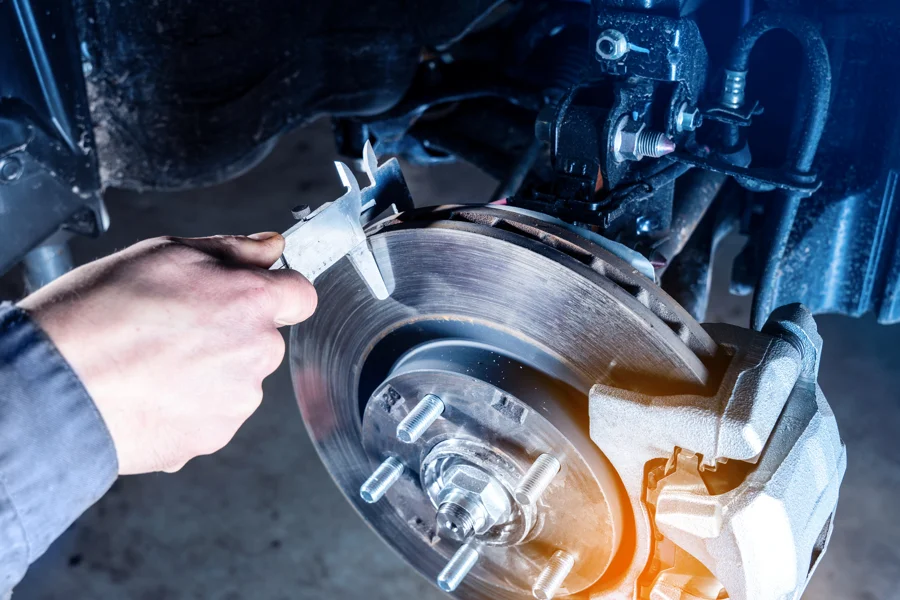
A mechanic can remove the wheel and measure pad thickness. In most auto repair shops, measuring pads is quick and part of routine brake inspections.
Safe Fixes Vs Pro-Level Fixes
Some skilled car owners handle brake pad replacement at home. They use the right tools and follow safety steps. The basic process includes:
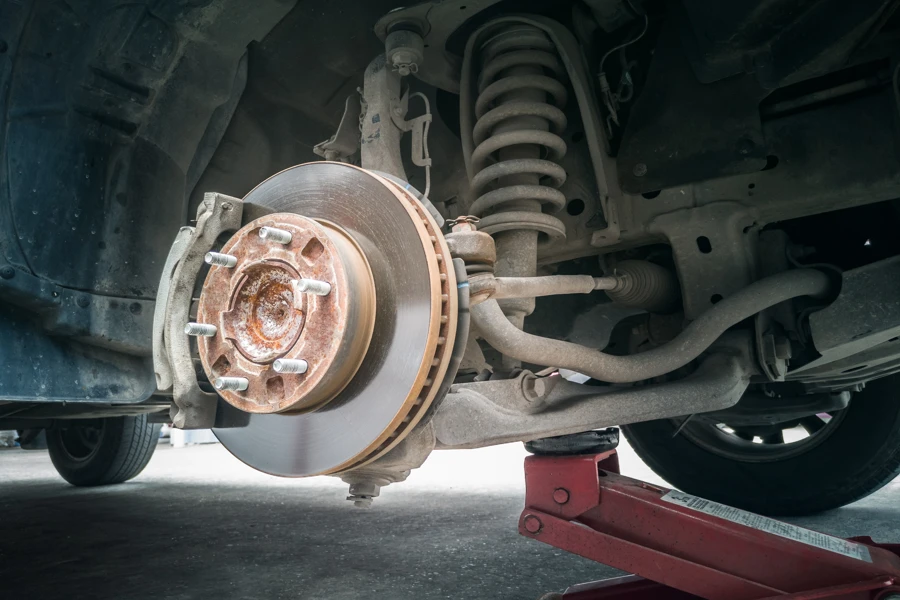
- Lift the vehicle and remove the wheel
- Remove the brake caliper
- Take out old pads
- Compress the caliper piston
- Install new pads
- Reassemble and test brakes
However, this job is not for everyone. Mistakes can lead to brake failure. If rotors are damaged or calipers stick, more work is needed. A professional has the tools to resurface or replace rotors and check brake fluid levels.
If you hear grinding or feel strong vibration, expert service is the safer choice.
Prevention Tips
Brake problems often build over time. You can extend the life of your pads with better driving habits.
- Avoid hard, sudden stops when possible
- Keep a safe following distance
- Do not ride the brakes downhill
- Schedule regular brake inspections
- Replace pads before they wear completely out
Most brake pads last between 30,000 and 70,000 miles. The range depends on driving style and road conditions. Routine brake pad replacement helps protect your rotors and keeps your brake system in good shape.
Schedule Service Before Small Issues Grow
If you notice squeaking, grinding, or longer stopping times in Sachse, TX, it may be time for brake pad replacement. At WHC Auto Repair, we inspect the full brake system, replace worn parts, and help drivers stay safe on the road. Call (214) 218-4839 today to book a brake check and let us take care of your vehicle.