
New Pads Create Strong Friction for Shorter, Safer Stops
Your car stops because the brake pads press against the rotors and create friction. That friction slows the wheels down. When pads wear thin, they cannot grip the rotor the right way. Brake Pad Replacement restores that strong contact, which helps your car stop faster and more smoothly. Fresh pads also spread heat better, which keeps braking power steady in traffic or during hard stops.
What You Need Before Starting
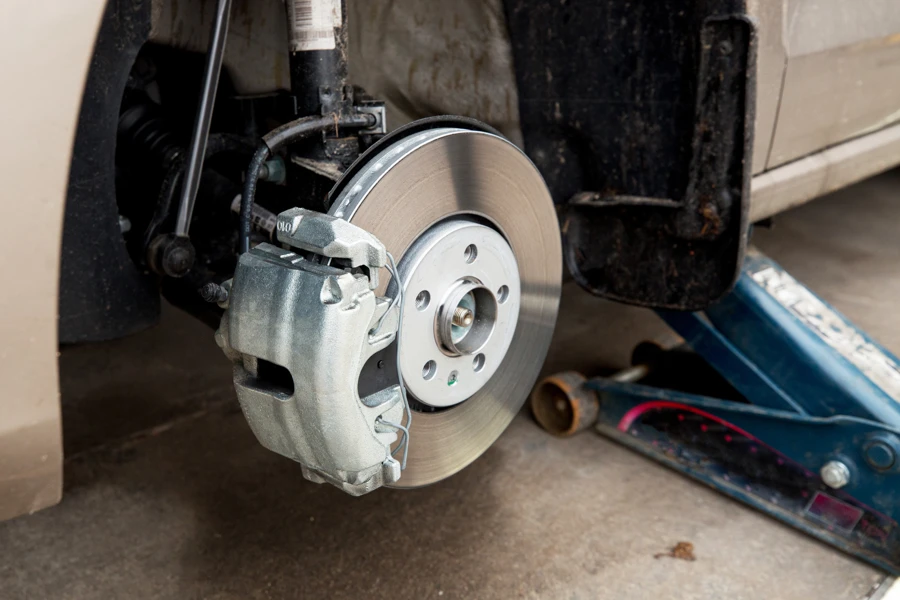
Before you change worn pads, gather the right tools and safety gear. You will need a jack, jack stands, a lug wrench, a socket set, and a brake caliper tool. You should also have new brake pads that match your vehicle. Always work on a flat surface and block the wheels that stay on the ground. Safety glasses and gloves help protect your hands and eyes. If you are not comfortable lifting a vehicle, it is better to leave this task to a trained technician.
Step-by-Step Process
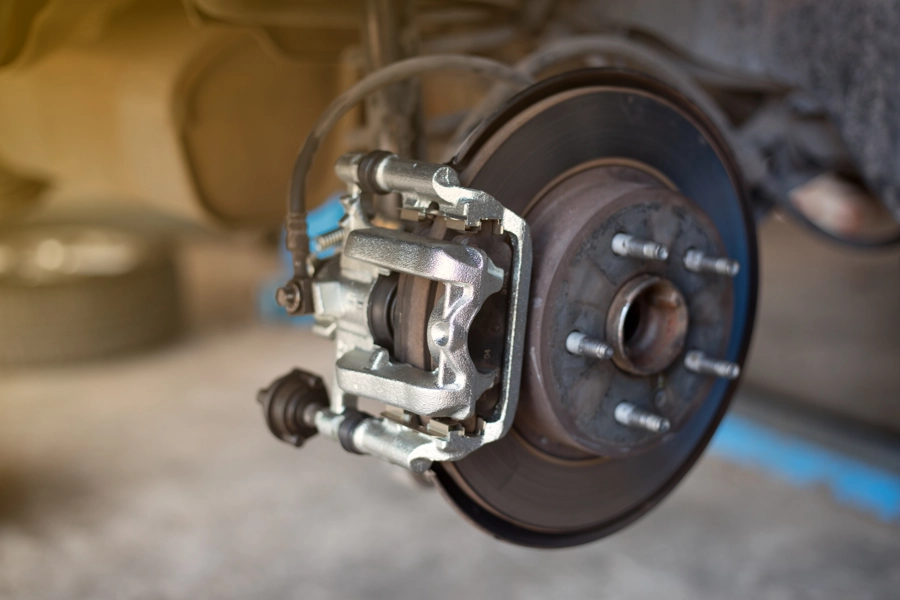
Replacing worn pads takes care and patience. Follow these steps for a basic brake pad replacement:
- Loosen the lug nuts before lifting the vehicle.
- Raise the car and secure it on jack stands.
- Remove the wheel to access the brake assembly.
- Unbolt the brake caliper and slide it off the rotor.
- Remove the old pads from the caliper bracket.
- Compress the caliper piston with a brake tool.
- Install the new pads in place.
- Reattach the caliper and tighten all bolts.
- Put the wheel back on and lower the car.
- Pump the brake pedal before driving to set the pads.
After these steps, test drive at low speed. Listen for odd sounds and check that the brake pedal feels firm.
Common Mistakes to Avoid
Many people rush through brake pad replacement and make simple mistakes. One common error is not tightening the caliper bolts to the correct setting. Loose bolts can cause noise and uneven wear. Another mistake is failing to compress the piston fully, which makes it hard to fit new, thicker pads. Some drivers skip cleaning the bracket and hardware. Dirt and rust can keep the pads from sliding as they should. Not pumping the brake pedal before driving is also risky. The pedal may feel soft at first because the pads are not seated against the rotor.
When to Call a Professional
Brake systems are a key part of auto repair and your safety. If you hear grinding, feel vibration in the wheel, or notice fluid leaks, there may be more than worn pads. Warped rotors, damaged calipers, or air in the brake lines call for special tools and skill. A trained technician can inspect the full system, measure rotor thickness, and check brake fluid levels. If you are unsure at any point, it is smart to have an expert handle the job.
Why Fresh Pads Improve Stopping Power
New brake pads have full thickness and a fresh friction surface. This helps them press evenly against the rotor. Even pressure means better grip. Worn pads, on the other hand, may be thin or glazed. Glazed pads feel smooth and shiny, which lowers friction. Less friction means longer stopping distance. Fresh pads also manage heat better. During heavy braking, heat builds up fast. Quality pads help control that heat so the brakes stay strong instead of fading.
Final Recommendation and Local Help
If your vehicle needs Brake Pad Replacement in Sachse, TX, it is wise to act before stopping power drops any further. At WHC Auto Repair, we inspect the full brake system, replace worn parts, and road test every vehicle for safety. We use quality parts and follow proper repair steps so your brakes respond the way they should. Call us at (214) 218-4839 to schedule service or ask questions about your braking concerns. We are here to help you drive with confidence.