Bad Suspension Parts Can Make Your Car Take Longer to Stop and Feel Unstable
Worn suspension parts can make your vehicle harder to control when you brake. They can cause longer stopping distances, nose-diving, pulling to one side, and even wheel lockup. Your suspension and braking systems work together every time you press the pedal. When one is weak, the other cannot do its job well.
Common Symptoms You May Notice
When suspension parts wear out, your car often gives warning signs. Many drivers notice changes during everyday stops at lights or in traffic.
- The front of the car dips forward when braking
- The vehicle pulls left or right
- The rear end feels loose or bouncy
- The steering wheel shakes during stops
- You hear clunking when slowing down
- Your stopping distance feels longer than normal
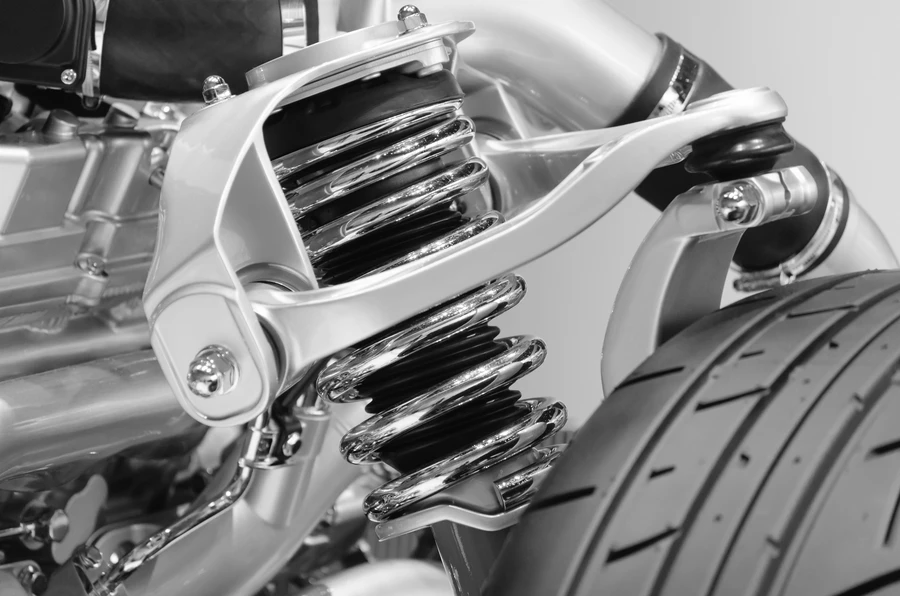
These signs may seem like brake problems at first. But worn shocks, struts, ball joints, or control arms are often part of the issue.
Why Worn Suspension Parts Cause Braking Problems
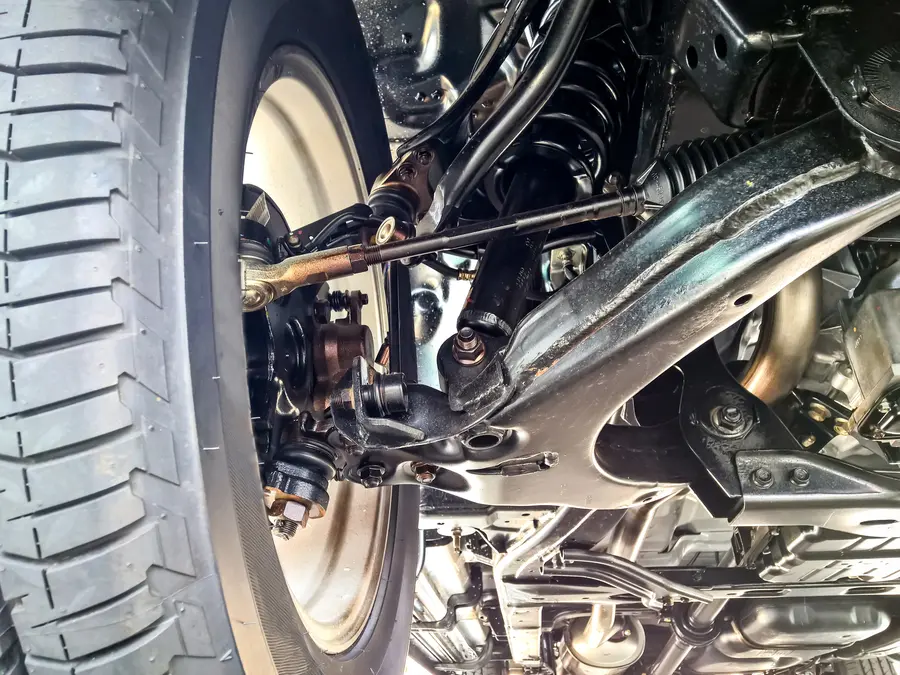
Your suspension keeps your tires flat and firm on the road. When you press the brakes, weight shifts forward. Healthy shocks and struts control that forward motion. They keep your tires planted so the brake pads can grip the rotors evenly.
If shocks or struts are worn, the car can bounce. When tires bounce, they lose contact with the road. Less contact means less grip. Less grip means longer stopping time.
Worn bushings or ball joints can also change wheel alignment. When the wheels are not aligned, the car may pull to one side during braking. Uneven tire contact can also trigger the anti-lock brake system more often.
Over time, ignoring these problems can lead to uneven tire wear and added stress on brake parts. That turns a small suspension repair into a bigger job.
What to Check First
If you think worn suspension parts are affecting your braking, start with a simple visual check.
- Look for leaking fluid on shocks or struts
- Check for uneven tire wear
- Listen for knocking sounds over bumps
- Notice if the car dips forward too much when stopping
You can also try a bounce test. Push down on the front or rear of the car and let go. If it keeps bouncing more than once or twice, the shocks or struts may be worn.
Still, many suspension problems are hard to see without lifting the vehicle. A full inspection is often needed to spot loose joints or worn control arms.
Safe Fixes Vs Pro-Level Repairs
Some small checks are safe for most drivers. You can monitor tire pressure, look for leaks, and pay attention to new noises. Replacing worn tires can also help restore grip.
But most suspension repair tasks require special tools and training. Replacing struts, springs, or ball joints involves heavy parts under high tension. Incorrect installation can make braking problems worse.
A trained technician can:
- Inspect the full suspension system
- Check alignment angles
- Test brake performance with worn components in mind
- Replace parts safely
Fixing worn parts early helps protect your brake pads, rotors, and tires from extra wear.
How to Prevent Suspension Wear From Hurting Your Brakes
Good habits can help your suspension and brakes last longer.
- Avoid hitting potholes and curbs when possible
- Slow down on rough roads
- Rotate your tires on schedule
- Get wheel alignments when recommended
- Have the suspension checked during routine service
Most shocks and struts wear slowly over time. Because the change is gradual, many drivers do not notice the loss in braking performance until it becomes serious. Regular inspections help catch problems early.
When to Schedule Professional Help
If your car pulls during braking, feels unstable in rain, or takes longer to stop, it is time for a professional inspection. Brake safety depends on full tire contact with the road. Even new brake pads cannot fix weak suspension parts.
Drivers in Sachse, TX deal with rough roads, heat, and stop-and-go traffic that can wear parts faster. A complete suspension repair not only improves ride comfort but also helps your braking system work the way it should.
Get a Complete Suspension and Brake Check
At WHC Auto Repair, we inspect the full suspension and braking system to find the real cause of poor stopping performance. If your vehicle feels unstable in Sachse, TX, we are ready to help restore safe handling and control. Call us at (214) 218-4839 to schedule a full suspension repair and brake inspection today.