
How Technicians Find the Real Cause of Engine Problems
When you take your car to a shop for engine problems, the team does more than just guess. The engine diagnostic process uses tools, tests, and hands-on checks to find the exact cause of the issue. This helps prevent wasted time and money. Instead of replacing random parts, the technician follows clear steps to pinpoint what is wrong before starting engine repair.
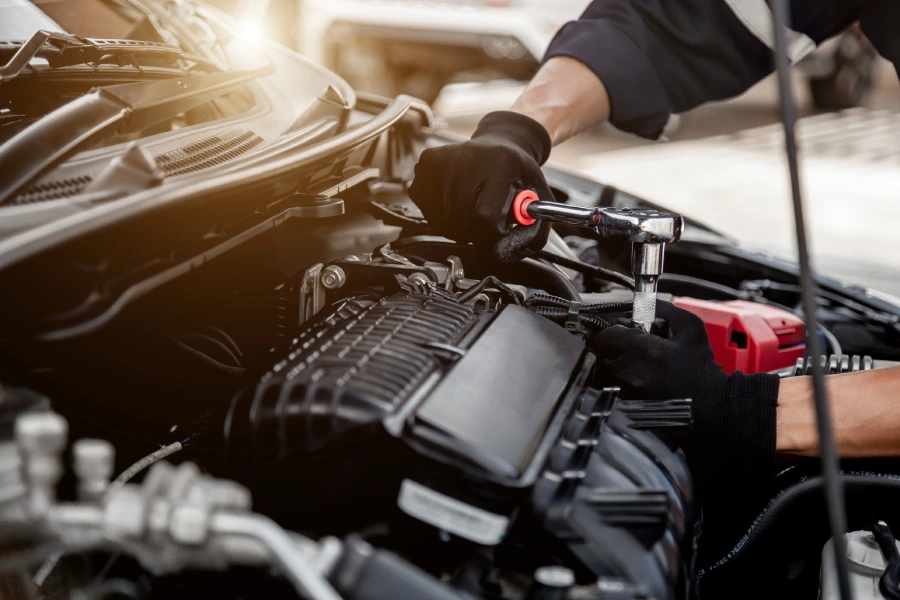
What Happens Before Testing Begins
Before any tools are used, the technician gathers basic information. This step is simple but very important. You may be asked when the problem started, what sounds you hear, or if any warning lights are on.
The shop will also:

- Check the dashboard for warning lights
- Scan the vehicle history if available
- Do a quick visual inspection under the hood
- Test drive the vehicle if the issue happens while driving
This early review helps narrow down the possible causes. For example, if the check engine light is flashing, that often points to a misfire. If the car stalls at stops, it might relate to fuel or air intake issues.
Step-by-Step Engine Diagnostic Process
Most modern auto shops follow a clear diagnostic path. While each vehicle is different, the basic steps are similar.
- Connect a scan tool: The technician plugs a scanner into the car’s computer system. This tool reads trouble codes stored in the vehicle.
- Review trouble codes: These codes point to problem areas, such as oxygen sensors, spark plugs, or fuel injectors.
- Research the codes: A code does not always name the exact failed part. It shows where to start testing.
- Perform physical tests: The technician may test battery voltage, fuel pressure, ignition coils, or sensor signals.
- Check wiring and connections: Loose or damaged wires can cause false readings or intermittent issues.
- Confirm the problem: After testing, the technician verifies the exact cause before recommending engine repair.
This process avoids guesswork. For example, a trouble code for an oxygen sensor does not always mean the sensor is bad. It could be caused by a vacuum leak or exhaust problem.
Common Mistakes Vehicle Owners Make
Many drivers try to fix engine issues without proper testing. This can lead to bigger problems. Here are common mistakes:
- Replacing parts based only on a code reading
- Ignoring small warning signs like rough idling
- Resetting the check engine light without fixing the cause
- Waiting too long to address strange noises
For example, clearing a warning light may turn it off for a short time. But if the root problem is still there, it will return. In some cases, damage can get worse and increase engine repair costs.
When Diagnostic Testing Leads to Engine Repair
Once the problem is confirmed, the shop explains the needed repairs. Some fixes are simple, like replacing spark plugs. Others may involve deeper work, such as repairing timing components or fixing internal engine damage.
The benefit of proper diagnostics is accuracy. Instead of guessing between multiple possible causes, the technician knows what failed and why. This leads to faster service and fewer repeat visits.
Diagnostic testing also helps spot related problems early. For example, a failing sensor may show that the engine is running too rich or too lean. Fixing that early can protect other parts of the engine.
Why Professional Tools Matter
Modern vehicles rely on complex computer systems. Basic code readers sold at parts stores only show limited information. Professional shops use advanced scan tools that display live data.
Live data lets technicians see how the engine performs in real time. They can monitor:
- Air and fuel mixture readings
- Engine temperature
- Ignition timing
- Sensor response speed
This deeper view helps narrow down problems faster and more accurately. It also supports other services tied to overall engine health and vehicle performance.
When You Should Schedule a Diagnostic Visit
You should schedule engine diagnostics if you notice:
- A check engine light that stays on
- Poor fuel economy
- Engine knocking or ticking sounds
- Hard starts or stalling
- Loss of power while driving
Even if the car still runs, warning signs should not be ignored. Early testing can stop minor issues from turning into major engine repair jobs.
Get Clear Answers About Your Engine
If your vehicle is acting up in Sachse, TX, our team at WHC Auto Repair uses proven diagnostic methods to find the real cause of engine trouble. We take time to test, verify, and explain every step so you feel confident about the repair plan. Call us at (214) 218-4839 to schedule a diagnostic appointment and let us help keep your vehicle running strong.